Your Shou sugi ban color stain images are ready in this website. Shou sugi ban color stain are a topic that is being searched for and liked by netizens now. You can Get the Shou sugi ban color stain files here. Find and Download all royalty-free images.
If you’re looking for shou sugi ban color stain images information linked to the shou sugi ban color stain keyword, you have pay a visit to the ideal blog. Our site always provides you with hints for refferencing the highest quality video and image content, please kindly surf and find more informative video content and images that fit your interests.
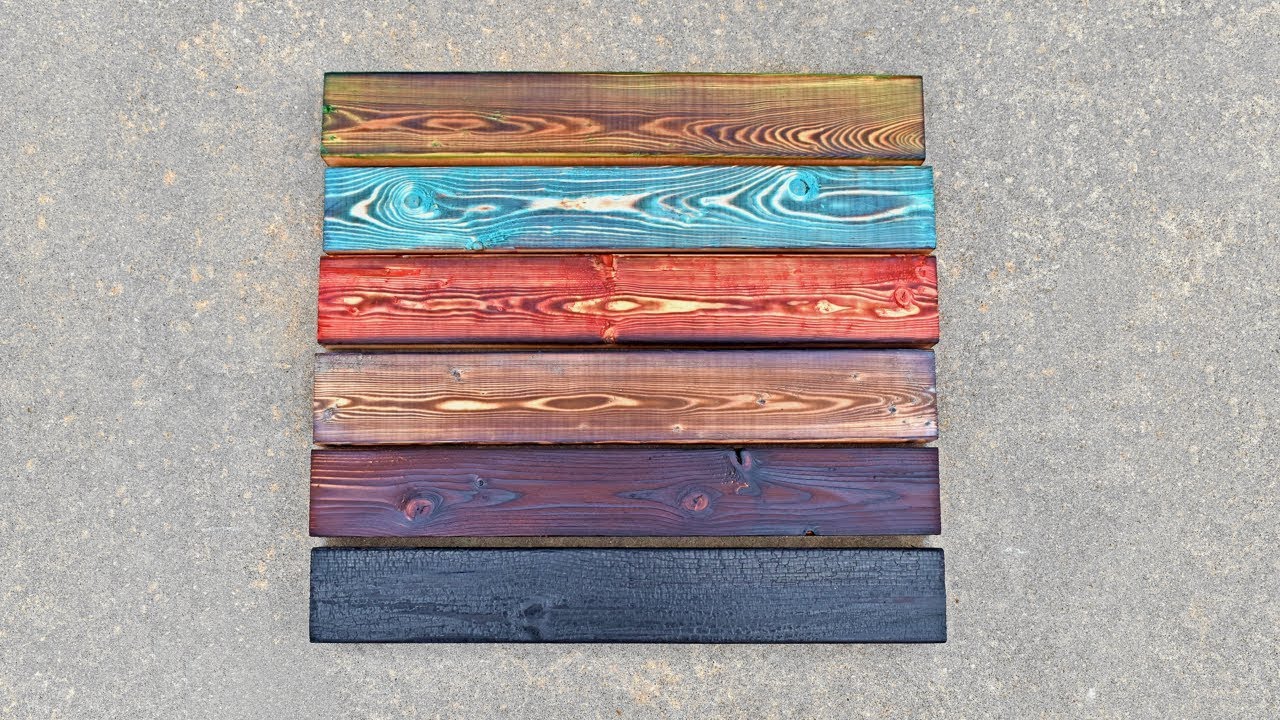
Shou Sugi Ban Color Stain. This photo was taken in front of our house and because of the difference in light the colours look totally different. We had recently become familiar with the Japanese technique of Shou-Sugi-Ban which translates to burnt cedar board and it piqued our interest. From rich deep charcoal to a luxurious amber the natural beauty of Yakisugi can be highlighted with the perfect color to enhance any ambiance. Delta Millworks began burning wood in 2007 and we were instantly enthralled by the beautiful textures and grain patterns achieved by taking torches to timbers and boards.
 Pin Na Nastence Lustry From cz.pinterest.com
The process involves charring the wood surface with exposed flame from. This requires a color close to baby blue. The method said to be in practice since the 1700s provides a natural preservative to the wood. Stained Shou Sugi Ban Yakisugi Tutorial How to Burn Wood with Color - YouTube. From punchy reds to neutral grays. There are also faux shou sugi ban decking materials out there that would probably need less upkeep in the long run.
The translation of Shou Sugi Ban translates into English as Burn Cedar.
Create Eco-Friendly Stain With Our Easy To Use Wood Dye Colors. You can also see the cool texture in this photo. I already use the Shu Sugi Ban technique for my work but I have a commissioned piece for a Chicago Municipal Flag. The process involves charring the wood surface with exposed flame from. Shou Sugi Ban is also known as Yakisugi which translates from Japanese to English as Yaki means to heat with fire and sugi is cypress. The ideal spot is to find where the grain bends.
 Source: br.pinterest.com
The ideal spot is to find where the grain bends. The blackening of the wood enhances distinct grain patterns and subtle lines within the fibre. If brushed off well and sealed shou sugi ban can also make for a great deck. I already use the Shu Sugi Ban technique for my work but I have a commissioned piece for a Chicago Municipal Flag. Charred timber cecking can take on a variety of brown grey and black coloring giving you a wide range of colors and patterns to choose from.
 Source: id.pinterest.com
Sand these spots lightly to pull out the natural wood so that you have the contrast of stain to char to natural. Stained Shou Sugi Ban Yakisugi Tutorial How to Burn Wood with Color - YouTube. I already use the Shu Sugi Ban technique for my work but I have a commissioned piece for a Chicago Municipal Flag. A technique that really makes stain shou sugi ban pop is sanding with 220 grit sand paper in areas you want to pull out some of the natural wood look. Delta Millworks began burning wood in 2007 and we were instantly enthralled by the beautiful textures and grain patterns achieved by taking torches to timbers and boards.
 Source: pinterest.com
I havent tried on any scrap yet. From punchy reds to neutral grays. A technique that really makes stain shou sugi ban pop is sanding with 220 grit sand paper in areas you want to pull out some of the natural wood look. Shou sugi ban is an ancient Japanese carbonized wood finish created by burning the surface of wood to preserve it. Posts tagged with wood finishes Coloring Wood With Shou Sugi Ban Yakisugi or Woodburning and Wood Dye.
 Source: pinterest.com
The final product is also known as Yakisugi yaki means to cookburn and sugi is the Japanese name for cedar but shou-sugi-ban seems to have won as the most commonly used term in English and it is sometimes simply known as a carbonized wood finish. By Matt Weber Make Decorative Wood Pieces using Shou Sugi Ban inspired Charring Techniques Shou Sugi Ban is a centuries-old Japanese method of preserving Japanese cedar siding by charring it. A technique that really makes stain shou sugi ban pop is sanding with 220 grit sand paper in areas you want to pull out some of the natural wood look. Complete Shou sugi ban house number with unicorn spit stain. Shou Sugi Ban is also known as Yakisugi which translates from Japanese to English as Yaki means to heat with fire and sugi is cypress.
 Source: pinterest.com
And Canada for its decorative appeal. This more moderate form of shou sugi ban creates scorched wood without turning the wood completely black. Has anyone else done this. I am trying to find a way to Sugi Ban then white wash and dye with colored stain to achieve the light blue effect. The process involves charring the wood cooling it cleaning it with a wire brush and finishing it with a natural oil heres a quick.
 Source: pinterest.com
Shou Sugi Ban or Yakisugi is an ancient Japanese exterior siding technique that preserves wood by charring it with fire. This photo was taken in front of our house and because of the difference in light the colours look totally different. And Canada for its decorative appeal. Charred timber cecking can take on a variety of brown grey and black coloring giving you a wide range of colors and patterns to choose from. A technique that really makes stain shou sugi ban pop is sanding with 220 grit sand paper in areas you want to pull out some of the natural wood look.
 Source: pinterest.com
Sand these spots lightly to pull out the natural wood so that you have the contrast of stain to char to natural. Create Eco-Friendly Stain With Our Easy To Use Wood Dye Colors. Shou Sugi Ban is an ancient pre-finishing technique that originated in Japan in the 18th century to preserve exterior wood products primarily Japanese cedar from the island of Yakushima by charring the surface rendering it a deep charcoal black finish. I already use the Shu Sugi Ban technique for my work but I have a commissioned piece for a Chicago Municipal Flag. There are also faux shou sugi ban decking materials out there that would probably need less upkeep in the long run.
 Source: pinterest.com
Delta Millworks began burning wood in 2007 and we were instantly enthralled by the beautiful textures and grain patterns achieved by taking torches to timbers and boards. Create Eco-Friendly Stain With Our Easy To Use Wood Dye Colors. Charred wood preserving the deep grains and weathered texture brushed to accentuate the hidden beauty. Shou sugi ban is an ancient Japanese carbonized wood finish created by burning the surface of wood to preserve it. Posts tagged with wood finishes Coloring Wood With Shou Sugi Ban Yakisugi or Woodburning and Wood Dye.
 Source: es.pinterest.com
Stained Shou Sugi Ban Yakisugi Tutorial How to Burn Wood with Color - YouTube. From rich deep charcoal to a luxurious amber the natural beauty of Yakisugi can be highlighted with the perfect color to enhance any ambiance. By Matt Weber Make Decorative Wood Pieces using Shou Sugi Ban inspired Charring Techniques Shou Sugi Ban is a centuries-old Japanese method of preserving Japanese cedar siding by charring it. Shou sugi ban is known for resulting in a jet black color but a less extreme method is often employed for aesthetic affect in places like America where the technique has recently spread. The process involves charring the wood cooling it cleaning it with a wire brush and finishing it with a natural oil heres a quick.
 Source: pinterest.com
Shou sugi ban is an ancient Japanese carbonized wood finish created by burning the surface of wood to preserve it. Has anyone else done this. Stained Shou Sugi Ban Yakisugi Tutorial How to Burn Wood with Color - YouTube. Create Eco-Friendly Stain With Our Easy To Use Wood Dye Colors. One of the benefits of burnt wood is that it accepts staining and paint very well.
 Source: pinterest.com
Create Eco-Friendly Stain With Our Easy To Use Wood Dye Colors. I already use the Shu Sugi Ban technique for my work but I have a commissioned piece for a Chicago Municipal Flag. The ideal spot is to find where the grain bends. Shou Sugi Ban or Yakisugi as it is known in Japan means burned cedar It is an ingenious 18th-century Japanese wood burning technique that creates an intriguing charred appearance that highlights natural wood veining creates textural interest and varies in appearance according to how much fire is applied and which type of wood is used. This photo was taken in front of our house and because of the difference in light the colours look totally different.
 Source: sk.pinterest.com
The blackening of the wood enhances distinct grain patterns and subtle lines within the fibre. You can also see the cool texture in this photo. Shou sugi ban can range in color from subtle charcoal-gray to dramatic jet black depending on the original color of the wood the. Japanese Cypress is considered the gold. Create Eco-Friendly Stain With Our Easy To Use Wood Dye Colors.
 Source: pinterest.com
You can also see the cool texture in this photo. This more moderate form of shou sugi ban creates scorched wood without turning the wood completely black. Shou sugi ban can range in color from subtle charcoal-gray to dramatic jet black depending on the original color of the wood the. One of the benefits of burnt wood is that it accepts staining and paint very well. Has anyone else done this.
 Source: pinterest.com
Japanese Cypress is considered the gold. I pulled out my once trusted blow torch to try and do a wood coloring video using a Japanese. Shou sugi ban is an ancient Japanese carbonized wood finish created by burning the surface of wood to preserve it. The process involves charring the wood surface with exposed flame from. I havent tried on any scrap yet.
 Source: pinterest.com
The heavily-charred surface of the board makes the wood fire retardant as well as. This wood-burning technique is now growing in popularity among homeowners in the US. The process involves charring the wood surface with exposed flame from. Japanese Cypress is considered the gold. Shou sugi ban is known for resulting in a jet black color but a less extreme method is often employed for aesthetic affect in places like America where the technique has recently spread.
 Source: pinterest.com
Coupled with a stain this moderate form can provide some colorful looks. I am trying to find a way to Sugi Ban then white wash and dye with colored stain to achieve the light blue effect. Depending on the angle and light the colours will look different. Create Eco-Friendly Stain With Our Easy To Use Wood Dye Colors. I pulled out my once trusted blow torch to try and do a wood coloring video using a Japanese.
 Source: pinterest.com
Sand these spots lightly to pull out the natural wood so that you have the contrast of stain to char to natural. We had recently become familiar with the Japanese technique of Shou-Sugi-Ban which translates to burnt cedar board and it piqued our interest. I am trying to research this idea. Shou Sugi Ban is an ancient pre-finishing technique that originated in Japan in the 18th century to preserve exterior wood products primarily Japanese cedar from the island of Yakushima by charring the surface rendering it a deep charcoal black finish. This is hard to mess up.
 Source: br.pinterest.com
The heavily-charred surface of the board makes the wood fire retardant as well as. Japanese Cypress is considered the gold. One of the benefits of burnt wood is that it accepts staining and paint very well. Charred wood preserving the deep grains and weathered texture brushed to accentuate the hidden beauty. If brushed off well and sealed shou sugi ban can also make for a great deck.
This site is an open community for users to do sharing their favorite wallpapers on the internet, all images or pictures in this website are for personal wallpaper use only, it is stricly prohibited to use this wallpaper for commercial purposes, if you are the author and find this image is shared without your permission, please kindly raise a DMCA report to Us.
If you find this site adventageous, please support us by sharing this posts to your favorite social media accounts like Facebook, Instagram and so on or you can also bookmark this blog page with the title shou sugi ban color stain by using Ctrl + D for devices a laptop with a Windows operating system or Command + D for laptops with an Apple operating system. If you use a smartphone, you can also use the drawer menu of the browser you are using. Whether it’s a Windows, Mac, iOS or Android operating system, you will still be able to bookmark this website.


