Your What color are the planets images are available in this site. What color are the planets are a topic that is being searched for and liked by netizens today. You can Get the What color are the planets files here. Find and Download all free images.
If you’re searching for what color are the planets pictures information linked to the what color are the planets topic, you have visit the right blog. Our website frequently gives you hints for seeking the highest quality video and image content, please kindly hunt and find more informative video content and images that match your interests.
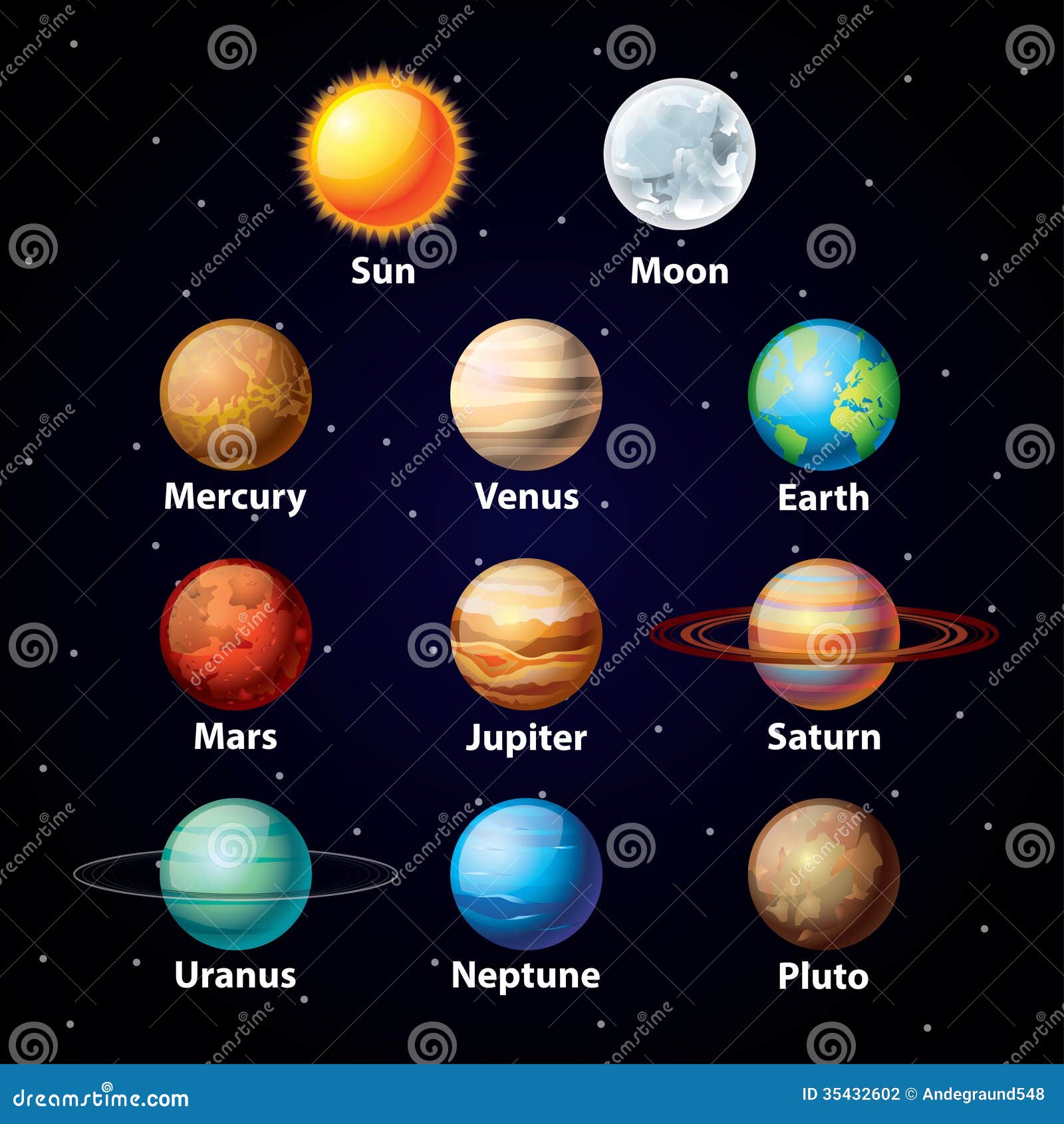
What Color Are The Planets. Venus Brown and grey. Closest to the Sun is the planet Mercury. The next planet from the Sun is our own home Earth. Bands of orange and white.
 Saturn From Voyager 2 What Color Is Saturn Saturn Saturn Planet From pinterest.com
If the atmosphere could be removed the Venutian surface would actually be a dull gray color. The following are the colors of the planets. What color are all the planets. - Sun and Mars have red color Moon and Venus have white color Mercury has green color Jupiter has yellow and Saturn has black color. Planet Colors What Color are the Planets. Out of the two imaginary planets or nodes Rahu or ascending node has been assigned dark blue color whereas Ketu or descending node has been assigned gray.
For instance with terrestrial planets the appearance is grey but it can also be determined by the main oxidized minerals in the composition.
Venus Brown and grey. Nevertheless the following planetary associations represent a consensus of opinion. Venus is yellowish-white because of the sulfuric acid clouds. However analysis shows that the atmosphere causes the yellowish hue by filtering out other colors. Venus looks yellow-white due to its extremely dense carbon dioxide atmosphere. The Sun is a star.
 Source: pinterest.com
The surface features depending on what one is looking at can range from green where sufficient vegetation and forests are to be found to yellow and brown in the case of deserts and. - Sun and Mars have red color Moon and Venus have white color Mercury has green color Jupiter has yellow and Saturn has black color. Venus looks yellow-white due to its extremely dense carbon dioxide atmosphere. The following are the colors of the planets. So as you know Earth is the Blue Planet and Mars is the Red Planet By my math that leaves us with six other planets in our Solar System that dont have color-related nicknames.
 Source: pinterest.com
What color are all the planets. So as you know Earth is the Blue Planet and Mars is the Red Planet By my math that leaves us with six other planets in our Solar System that dont have color-related nicknames. A comparison of the Kepler planets as compared to Earth Jupiter and previous Kepler finds. Jupiter Brown orange and tan with white cloud stripes. Saturn is of black color and reflects violet rays of the Sun.
 Source: pinterest.com
Lets start with the planets closest to the Sun and work our way out to the dwarf Planet Pluto. A pale shade of gold with pale blue poles. Besides composition the atmosphere heavily impacts the color we see because of the way it reflects sunlight and how it. Lets start with the planets closest to the Sun and work our way out to the dwarf Planet Pluto. What planet is green.
 Source: pinterest.com
In fact there are almost as many versions as there are authorities. The planets appear as having different colors because of the things on their surface. Lets start with the planets closest to the Sun and work our way out to the dwarf Planet Pluto. The following are the colors of the planets. Jupiter has white and orange bands.
 Source: pinterest.com
This gives Mars its orange color. Colors of planets in Astrology or Jyotish are as follows. What color are the 8 planets. Even the gas giants are. Similarly you may ask what is the color of the.
 Source: in.pinterest.com
Mercury has practically no atmosphere so we just see the rocky surface. Mercury doesnt have much of an atmosphere so there is no atmospheric coloring to attribute to it. For instance with terrestrial planets the appearance is grey but it can also be determined by the main oxidized minerals in the composition. Out of the two imaginary planets or nodes Rahu or ascending node has been assigned dark blue color whereas Ketu or descending node has been assigned gray. Mercury has a dark gray rocky surface which is covered with a thick layer of dust.
 Source: pinterest.com
Any planet whose atmosphere is dominated by gas will follow a similar pattern of longer wavelength-colors becoming more dominant at sunset Ehler said. The dominant reddish color comes from rusty rocks on the surface since the clouds are rare and thin. SUNRed transparent MOONWhite opaque MARSRed opaque MERCURYGreen JUPITER- Yellow VENUSWhite transparent SATURNBlue. Besides composition the atmosphere heavily impacts the color we see because of the way it reflects sunlight and how it. What color is each planetIntermediate Mercury.
Source: pinterest.com
Out of the two imaginary planets or nodes Rahu or ascending node has been assigned dark blue color whereas Ketu or descending node has been assigned gray. On Uranus for instance the gas particles of hydrogen helium and methane in its atmosphere scatter the blue and green shorter wavelengths while absorbing but largely not re-emiting longer red wavelengths according to NASA. It looks like a pearl. White pearl opal light pale blues. The next planet from the Sun is our own home Earth.
 Source: pinterest.com
White pearl opal light pale blues. The Sun is a star. In reality its covered in a thick layer of cream-colored clouds that are almost featureless. Here are the true colors of the planets with links to some relevant images from NASA spacecraft. The white bands are colored by ammonia clouds while the orange comes from ammonium hydrosulfide clouds.
 Source: pinterest.com
The dominant reddish color comes from rusty rocks on the surface since the clouds are rare and thin. Saturn is pale. Note that spacecraft photos appearing in the media often have false coloration Mercury. We can only see the thick layer of featureless sulfuric. Mercury has practically no atmosphere so we just see the rocky surface.
 Source: pinterest.com
For instance with terrestrial planets the appearance is grey but it can also be determined by the main oxidized minerals in the composition. These true-color pictures give the planets surface more of a reddish yellow color. Venus is yellowish-white because of the sulfuric acid clouds. A pale shade of gold with pale blue poles. Venus looks yellow-white due to its extremely dense carbon dioxide atmosphere.
 Source: in.pinterest.com
Colors of planets in Astrology or Jyotish are as follows. The colour of each planet is determined by what they made up of and in some instances how their atmospheres absorb and reflect light from the Sun. The next planet from the Sun is our own home Earth. A pale shade of gold with pale blue poles. Earth Blue brown green and white.
 Source: pinterest.com
There are lots of stars but the Sun is the closest one to Earth. In fact there are almost as many versions as there are authorities. However analysis shows that the atmosphere causes the yellowish hue by filtering out other colors. For instance with terrestrial planets the appearance is grey but it can also be determined by the main oxidized minerals in the composition. Jupiter is of orange-yellow color but reflects mainly blue rays of the spectrum.
 Source: pinterest.com
Out of the two imaginary planets or nodes Rahu or ascending node has been assigned dark blue color whereas Ketu or descending node has been assigned gray. From space Earth is a predominantly blue world due to the atmosphere as well as. In reality its covered in a thick layer of cream-colored clouds that are almost featureless. The colors of the 8 planets in our solar system are mainly determined by composition. Iridescent and silvery hues.
 Source: ar.pinterest.com
The color of our most favorite planet Earth is mostly blue with scattered white clouds. Mars Red brown and tan. Saturn Golden brown and blue-grey. Mercury is of green color and reflects green rays. Jupiter is of orange-yellow color but reflects mainly blue rays of the spectrum.
 Source: pinterest.com
The next planet from the Sun is our own home Earth. Saturn is pale. This creates a. Nevertheless the following planetary associations represent a consensus of opinion. For example Mercury appears grey because it is made up of rocks of the same color.
 Source: pinterest.com
Jupiter was the toughest. - Sun and Mars have red color Moon and Venus have white color Mercury has green color Jupiter has yellow and Saturn has black color. We can only see the thick layer of featureless sulfuric. Similarly you may ask what is the color of the. Note that spacecraft photos appearing in the media often have false coloration Mercury.
 Source: cz.pinterest.com
Colour therapy is also the foundation for Vedic gem therapy and basic colours of the planets are. Even the gas giants are. In fact there are almost as many versions as there are authorities. The color of our most favorite planet Earth is mostly blue with scattered white clouds. This gives Mars its orange color.
This site is an open community for users to do submittion their favorite wallpapers on the internet, all images or pictures in this website are for personal wallpaper use only, it is stricly prohibited to use this wallpaper for commercial purposes, if you are the author and find this image is shared without your permission, please kindly raise a DMCA report to Us.
If you find this site adventageous, please support us by sharing this posts to your preference social media accounts like Facebook, Instagram and so on or you can also bookmark this blog page with the title what color are the planets by using Ctrl + D for devices a laptop with a Windows operating system or Command + D for laptops with an Apple operating system. If you use a smartphone, you can also use the drawer menu of the browser you are using. Whether it’s a Windows, Mac, iOS or Android operating system, you will still be able to bookmark this website.


